Stop Thinking the Worst
How hypnosis can help you stop imagining the worst and give you a calmer perspective on life

Are you always imagining things are going to turn out badly?
Is your first response to any event or plan to focus on how it could all go terribly wrong?
Cassandra is a well-known figure in Greek mythology who had the gift of prophecy but was cursed by the god Apollo so that nobody would believe what she said. Famously, she prophesied that the Greeks would defeat Troy with the help of a horse. Nobody would listen to her. But she was right. You've heard of the Trojan Horse, haven't you?
What has this got to do with thinking the worst?
Well, in a way, when we focus on how something could end in catastrophe, we are 'prophesying' that it's all going to go wrong. And we can really believe that it's true. We can see it in our mind's eye, and feel the awfulness of all the bad consequences. But, unlike Cassandra, we don't actually have the gift of prophecy. It is our own imaginations that create the doomy future. And we listen to ourselves all too readily.
The pros and cons of thinking the worst
Of course, being able to imagine things going wrong is quite a useful talent. It means that you can make contingency plans, and adapt to different situations. This enables you to problem solve difficulties even before they happen, so that you are prepared to deal with them if they do arrive. Very useful. If you could just stop there, there wouldn't be any problem.
The trouble is, the human imagination is quite a powerhouse of creative fantasy, and it can run away with itself. Instead of just laying out alternative possibilities for you to consider, it makes a great theatrical drama out of it. Pictures! Sounds! Emotions! Before you know it, you are drawn into the drama and feeling as if it is all happening right here, right now. And your body responds, quite appropriately, with fear and anxiety.
This makes for a stressful life and tends to give you a negative outlook. If someone doesn't answer their phone when you call, you immediately conclude that they've decided to end your friendship. If your boss is a bit abrupt you start worrying you are about to be fired. If someone is five minutes late you start wondering if they've been run over.
And instead of being a flexible problem solver, you become fatalistic. If it's all going to end in disaster, what's the point of trying to do anything?
How hypnosis can help you focus positively on the future
So how can you bring your imagination under control and make it work for you rather than against you?
Stop Thinking the Worst is an audio hypnosis session created by psychologists that will help you quickly tame the wild horses of your imagination and stop them from bolting away with you.
As you listen regularly to your session, you'll find that:
- your reactions to events and people become more measured
- you are more ready to 'wait and see' before drawing conclusions
- you are aware of positive possibilities as well as what might go amiss
- you are more willing to try things even though the outcome is uncertain
- you can trust yourself to handle things well whatever happens
- life is more fun!
Download Stop Thinking the Worst now and make the most of life's opportunities. You can listen on your computer or device or via our free app which you can access when you have completed your purchase.
Why you can relax about buying from Uncommon Knowledge...
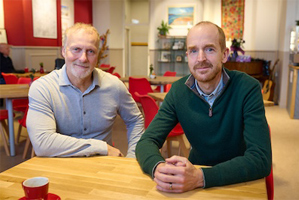
We have helped over a million people with hypnosis since 1998. Uncommon Hypnosis is a creative, permissive, deeply relaxing approach to improving psychological wellbeing and performance that anyone can benefit from.
Mark Tyrrell & Roger Elliott
Co-founders of Uncommon Knowledge »

Stop Thinking the Worst has been purchased by 1,908 customers.
Stop Thinking the Worst
Narrator: Roger Elliott
Length: 21:14
 Listen on all devices or our free app
Buy these together Stop Thinking the WorstDevelop Powerful Optimism and save $6.95
(These products are specially selected to maximize your results from your hypnosis.)
Most popular sessions in Thinking Skills




Why we're different to other hypnosis providers:

We're experienced and dedicated therapist trainers
Uncommon Knowledge was formed in 1998, and since then we've trained over 24,000 people at face-to-face events. We've served millions of self hypnosis audio sessions and treated more than 5,000 patients in 1:1 therapy. Our uncommon approach to hypnosis is unique in the field.

More than a million customers
With more than 1 million customers since 2003, we are proud to serve people from all over the globe. With instant access to all of our products, there's no limit to how we can help you.

9566 people are happy with our customer service

Our small support team is dedicated to making your experience with Uncommon Knowledge a lovely, and hopefully long one.